In a world increasingly concerned with environmental impact and the fragility of our food systems, cultivating a sustainable food garden design has become more than just a hobby; it's a conscious act of self-sufficiency and environmental stewardship.
A sustainable food garden goes beyond simply growing vegetables. It's a holistic approach that prioritizes ecological balance, minimizes environmental impact, and maximizes resource efficiency. By embracing sustainable practices, you can create a thriving ecosystem that nourishes both your body and the planet.
This guide will delve into the key principles of sustainable food garden design, guiding you through the process of creating a productive and environmentally friendly oasis in your own backyard.
1. Foundational Principles of Sustainable Food Garden Design
At the heart of sustainable food garden design lie several core principles:
-
Soil Health as the Foundation: Healthy soil is the cornerstone of any thriving garden. Sustainable practices prioritize building and maintaining rich, organic soil. This involves:
- Composting: Transforming kitchen scraps, yard waste, and other organic materials into nutrient-rich compost to feed your plants.
- Cover Cropping: Planting fast-growing plants like legumes and grasses to improve soil structure, suppress weeds, and add organic matter.

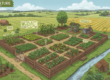
A comprehensive guide to designing a sustainable food garden, including planning, sustainable practices, and design considerations
- Avoiding Synthetic Fertilizers and Pesticides: Opt for natural alternatives like compost teas, beneficial insects, and companion planting to nourish your plants and deter pests.
-
Water Conservation: Water is a precious resource. Sustainable gardens prioritize water conservation through:
- Rainwater Harvesting: Collecting rainwater from rooftops and storing it in barrels for irrigation.
- Efficient Irrigation: Implementing drip irrigation systems that deliver water directly to plant roots, minimizing evaporation and runoff.
- Mulching: Applying a layer of organic matter like wood chips, straw, or compost around plants to retain moisture, suppress weeds, and regulate soil temperature.
-
Biodiversity: Creating a diverse ecosystem within your garden attracts beneficial insects like bees, butterflies, and ladybugs, which play crucial roles in pollination and pest control.
- Companion Planting: Strategically grouping plants that benefit each other, such as planting marigolds near tomatoes to deter pests.
- Planting a Variety of Crops: Cultivating a diverse range of vegetables, fruits, and herbs ensures a balanced ecosystem and reduces the risk of crop failures.
-
Minimize Waste: Sustainable gardening strives to minimize waste in all aspects:
- Composting Food Scraps: Turning kitchen waste into valuable compost instead of sending it to landfills.
- Utilizing Plant Waste: Using plant trimmings as mulch or adding them to the compost pile.
- Reducing Packaging: Choosing seeds and plants in minimal or biodegradable packaging.
2. Planning and Design: A Roadmap to Success
Before breaking ground, careful planning is essential for a successful sustainable food garden.
-
Site Assessment: Begin by thoroughly assessing your available space. Consider:
- Sunlight Exposure: Determine the amount of sunlight each area receives throughout the day.
- Soil Conditions: Test your soil to understand its composition, pH level, and nutrient content.
- Water Availability: Evaluate access to water sources and consider rainwater harvesting options.
- Space Limitations: Determine the size and shape of your garden area and any existing structures or obstacles.
-
Choosing the Right Plants: Select plants that are well-suited to your climate, soil conditions, and sunlight availability. Consider:
- Drought-tolerant varieties: Choose plants that can withstand periods of dry weather.
- Pollinator-friendly plants: Include flowers that attract bees, butterflies, and other beneficial insects.
- Locally adapted varieties: Opt for plants that are well-suited to your region's growing conditions.
-
Creating a Garden Plan:
- Sketch out your garden layout: Map out the placement of different plants, considering their size, sun requirements, and water needs.
- Incorporate companion planting: Group plants that benefit each other, such as planting nitrogen-fixing legumes near heavy feeders like tomatoes.
- Consider succession planting: Plant crops at staggered intervals to ensure a continuous harvest throughout the growing season.
3. Organic Food Garden Design Techniques
- Vertical Gardening: Maximize space by utilizing vertical structures like trellises, fences, and walls to grow vining plants like beans, peas, and cucumbers.
- Raised Beds: Create raised beds for improved drainage, easier access, and warmer soil temperatures.
- No-Dig Gardening: Minimize soil disturbance by adding layers of organic matter on top of the existing soil, creating a fertile and weed-suppressing environment.
- Permaculture Principles: Integrate permaculture principles into your garden design, such as:
- Observe and interact: Spend time observing your garden ecosystem and learn from its natural patterns.
- Catch and store energy: Collect rainwater, harness solar energy, and utilize natural resources effectively.
- Obtain a yield: Produce food, fuel, and other resources from your garden.
4. Ongoing Maintenance and Care
- Regular Weeding: Keep your garden free of weeds to prevent competition for water, sunlight, and nutrients.
- Mulching: Apply a layer of mulch around plants to conserve moisture, suppress weeds, and regulate soil temperature.
- Pest and Disease Control: Utilize natural pest control methods such as:
- Attracting beneficial insects: Planting flowers that attract ladybugs, lacewings, and other beneficial predators.
- Handpicking pests: Regularly inspecting plants and removing pests by hand.
- Using insecticidal soap or neem oil: Applying natural and organic pest control methods.
- Soil Building: Continuously improve soil health by adding compost, cover crops, and other organic matter.
5. Harvesting and Enjoying Your Bounty
- Harvest at the peak of ripeness: Harvest fruits and vegetables when they are at their most flavorful.
- Preserve your harvest: Learn to preserve your harvest through methods like canning, freezing, and dehydrating to enjoy fresh flavors year-round.
- Share your harvest: Share your abundance with friends, family, or your local community.
Beyond the Garden: A Sustainable Lifestyle
Cultivating a sustainable food garden is just one aspect of a larger sustainable lifestyle. By connecting with your food source and understanding the interconnectedness of all living things, you can develop a deeper appreciation for the natural world and make conscious choices that support a healthier planet.
In Conclusion
Designing and maintaining a sustainable food garden is a rewarding and ongoing journey. By embracing the principles of ecological balance, resource efficiency, and mindful stewardship, you can create a thriving garden that nourishes your body, supports biodiversity, and contributes to a more sustainable future.
Remember that every small step you take towards a more sustainable lifestyle, whether it's planting a single seed or composting your kitchen scraps, makes a difference. Embrace the journey, celebrate your successes, and enjoy the fruits of your labor – both literally and figuratively.
#SustainableGardening #FoodGarden #GrowYourOwn #OrganicGardening #Permaculture #UrbanGardening #BackyardGarden #GardeningTips #EcoFriendly #SustainableLiving #LocalFood #HealthyLiving